
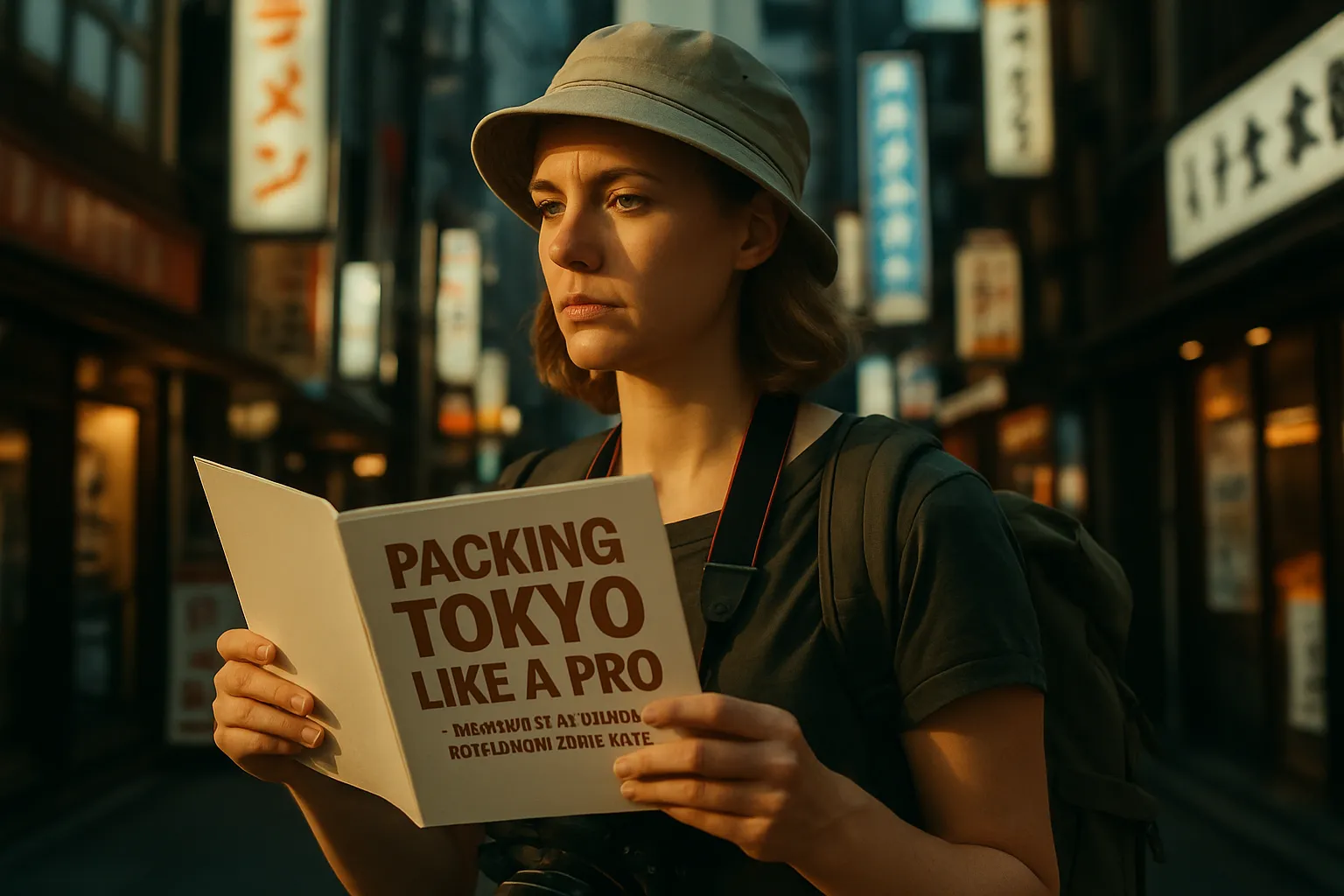
Illustration related to Packing Tokyo Like a Pro: Insider Hacks No Guidebook Mentions
Packing Tokyo Like a Pro: Insider Hacks No Guidebook Mentions — Planning a trip to Packing tokyo in 2026? This guide covers the best things to do, where to stay, travel tips, and everything you need for an unforgettable experience.
Why Visit Packing tokyo in 2026
If you haven’t considered Visiting Packing tokyo in 2026, prepare for a revelation. This captivating city brims with local color, authentic neighborhoods, and a uniquely hybrid energy—melding old-world charm with cutting-edge trends. While many travelers overlook Packing tokyo for bigger-name spots nearby, locals know the real soul of the region lies here. Imagine wandering vibrant market streets, stumbling on intimate noodle bars where a steaming bowl of shoyu ramen costs just €6, and exploring hidden alleys festooned with hand-painted signs. In 2026, Packing tokyo is riding a wave of transformation. New coworking cafés catering to digital nomads sprout alongside antique bakeries, and inflation has nudged prices up just enough to encourage innovation without spoiling affordability. Seasonal events—like the annual Lantern Festival in north Packing tokyo or the spring flower markets in the south—infuse the city with local rhythm. More intrepid travelers are uncovering small Packing tokyo districts such as Etsuya and Vento, which are rarely mentioned in standard guidebooks. Local transport (the Packing Metro and the GreenWave city bus) makes even the outer villages accessible in under 30 minutes. There’s a signature warmth to Packing tokyo—a blend of genuine community and cosmopolitan flair. Whether you’re here for culture (witnessing the midnight puppet shows in Rokkai village), nature (cycling through the Minoh Valley Trail), or the competitive third-wave coffee scene (latte at Café Sora, €3.20), 2026 is the moment to dive deep into Packing tokyo life.- Seasonal events: Lantern Festival (north Packing tokyo, April), Flower Markets (south Packing tokyo, May-June)
- 2026 trends: Increased coworking cafés and AI-powered travel assistance apps like TripNest and Locallink
- Quick access to Packing tokyo’s satellite villages via efficient public transit
- Local flavor: blending tradition with a forward-looking digital pulse
Best Things To Do in Packing tokyo
Choosing the best things to do in Packing tokyo means skipping the obvious and dialing into local favorites and often-missed gems. Start your mornings browsing local produce at Karuka Market (open daily from 6am; pastries for €1.60)—a prime place to sample tangy miso cheese or watch elders play shogi. If you're in the mood for an easy day trip, bike to the lakeside town of Obani (35 minutes from central Packing tokyo, bike rental €15/day), famed for its glassblowing studios and riverside tea shacks. Don’t miss the artisan alleyways of Etsuya, a less-touristed Packing tokyo neighborhood where young ceramicists open their workshops every Sunday afternoon for walk-ins. The main street, Etsuya-dori, is the place to taste the city’s favorite: crunchy panko-fried katsu sandwiches (€4) from Yuki’s Deli. Make sure to visit Sugiha Village in the south Packing tokyo hills—here, tiny izakayas serve wild herb tempura, and temple bells echo at dusk. For nightlife, skip the big clubs and follow locals to Nami Lane in the minami Packing tokyo district. Try a glass of regional sake (€5) at Minato Bar, where the bartender will swap travel stories if you ask about his grandfather’s sea voyages. On Sundays, join a guided nature walk through Packing tokyo’s Minoh Valley (inquire at City Hall; €10 donation).- Karuka Market for local produce and street snacks
- Etsuya ceramic alley for workshops and lunch at Yuki’s Deli
- Obani lakeside town: riverside walks and glassblowing
- Sugiha Village: village izakayas, scenic hikes
- Nami Lane’s bars for local mingling and regional drinks
- Minoh Valley guided walks: nature with insight
Where To Stay in Packing tokyo
Finding a memorable stay in Packing tokyo means thinking beyond chain hotels and opting for places with local stories. In the old northern quarter, Kage Inn (rooms from €54/night, breakfast extra) is a restored merchant’s home—think futon bedding, tatami floors, and hand-carved lamps. For digital nomads, the popular coworking hostel CoPack (double pods €28/night; high-speed WiFi, rooftop work area) is nestled between the Vento and Karasu districts, just off Sango Street. Travelers who crave countryside quiet should venture to Sugiha Village’s Sakura Lodge (cottages from €45/night), where you’ll breakfast on homemade rice porridge with wild mountain honey. Backpackers rave about The Packing Capsule on Obani Road (capsules from €19/night), which features free laundry and a monthly guest cooking night. Solo travelers often prefer bed-and-breakfasts in Etsuya, such as Momo House—famous locally for its nightly storytelling sessions.- Kage Inn: traditional ryokan experience, local breakfast options
- CoPack Hostel: best for remote work and creative meetups
- Sakura Lodge in Sugiha Village: rural tranquility, local honey porridge
- The Packing Capsule: budget-friendly, communal spirit
- Momo House in Etsuya: nightly local legend sessions
Hidden Gems in Packing tokyo
Packing tokyo’s most authentic charms often slip under tourists’ radar. Try wandering the backstreets of Vento, where high walls conceal leafy pocket parks and neighborhood-run cafés, like Fukuya on Sakura-gai Street (espresso €2.40). Stop by Otori Antiques, owned by the same family for three generations, to chat about Edo-era teaware. Minori Town, a 1-hour GreenWave Bus ride southeast, is a quintessential Packing tokyo discovery. Here, honeycomb-shaped gardens line the main road and locals sell pickled plums from their stoops. Seek out the Hikari Bathhouse (entry €5), arguably the most atmospheric sento in all Packing tokyo—bring your own towel and don’t forget the etiquette: always wash before soaking. In Etsuya, make a midday stop at Kiroba Café (vegan lunch €7), famed for its rooftop herb garden and unplugged acoustic sets on Thursdays. On the edge of central Packing tokyo, teachers at Yamatani Textile Studio host indigo-dyeing workshops (from €20/person) focused on regional techniques.- Vento pocket parks and Fukuya café for espresso and local gossip
- Otori Antiques on Sakura-gai Street for Edo-era teaware
- Minori Town: rural gardens, homemade pickles, Hikari Bathhouse
- Kiroba Café in Etsuya: rooftop garden, vegan specialties
- Yamatani Textile Studio: indigo workshops, regional crafts
Travel Tips for Packing tokyo
To master Packing tokyo, skip the tourist playbook. Most visitors don’t realize the GreenWave Bus, with transfers capped at €1.80, runs 24/7 and covers hidden spots like Sugiha Village and Obani—get the Loading Card app for easiest payment. When exiting packed trains during rush hour, always bow slightly and let elders pass; “Sumimasen” goes a long way in Packing tokyo etiquette. Beware the “art donation” scam—someone hands you a sketch and demands €20 for charity. Politely refuse and keep walking. Always have local coins on hand; many small packing tokyo cafés and neighborhood izakayas are cash-only. Summer is humid and rainy (June-September), so pack a vented umbrella (about €5 from Daiso) and light synthetic clothes. Winters see snow in north Packing tokyo, especially in Minori Town, so layer up with a thermal (decent basics from Packing Market, €8-12). Spring and autumn offer blissful weather—the best months to visit Packing tokyo in 2026 are April, May, September, and early October.- Download Loading Card for local transport and metro
- Bowing, “Sumimasen,” and cash: essential etiquette
- “Art donation” scam on busy streets: say no, walk away
- Vented umbrellas and synthetic layers for variable weather
- Travel off-peak to enjoy quieter markets and streets
Costs in Packing tokyo (2026)
Packing tokyo remains affordable in 2026, even with recent inflation. A main-course lunch averages €7–€12 in local bistros and €4–€6 for street food at markets like Karuka. Café Sora offers a cortado for €3.20, while a night in a central Capsule Hotel goes for €19–€29. Digital nomads frequent Vento’s Hive Coworking Space for €8/day, which includes bottomless tea. Metro fares start at €1.50 and cap at €3.80 across Packing tokyo, while the 24-hour GreenWave Bus pass runs €5. Hostel beds start at €18, decent hotel rooms from €52, and family-run guesthouses in villages like Sugiha or Minori Town hover around €35–€45 with breakfast. Admission to most local attractions is under €6—exceptions are the rare ceramic workshops or textile tours in Etsuya.- Lunch café meal: €7–€12
- Market street food: €4–€6
- Café coffee: €2.50–€3.50
- GreenWave Bus 24h pass: €5
- Cowork space day pass: €8 (unlimited tea)
- Capsule: from €19, mid-range hotels: €52–€85
FAQ about Packing tokyo
What are the best things to do in Packing tokyo for digital nomads?Check out Hive Coworking (Vento), CoPack Hostel café, and remote-friendly Café Sora. Blazing WiFi, ample plugs, and close proximity to urban green spaces make these the digital-savant’s pick in Packing tokyo. Is Packing tokyo safe for solo travelers?
Absolutely. Packing tokyo has low petty crime rates. Exercise caution at night in the station area, and be alert to classic scams. Locals are usually glad to help. How can I get to small villages from central Packing tokyo?
Use the GreenWave Bus (download Loading Card), which connects Packing tokyo’s villages Sugiha, Minori Town, and Obani in under an hour for less than €2. Rural areas are especially scenic in late spring (April/May). What local dishes should I try?
Don’t miss wild herb tempura in Sugiha, tangy miso cheese at Karuka Market, and crunchy katsu sandwiches in Etsuya. For dessert, sample sakura mochi from Minori Town’s morning market. What’s the weather like in Packing tokyo?
Winters (Nov–Feb): chilly with northern snows. Summers (Jun–Sep): humid, with frequent rain. The best months for Packing tokyo’s outdoor markets and festivals are late April, May, September, and October.