
People are already using this AI tool to get results.
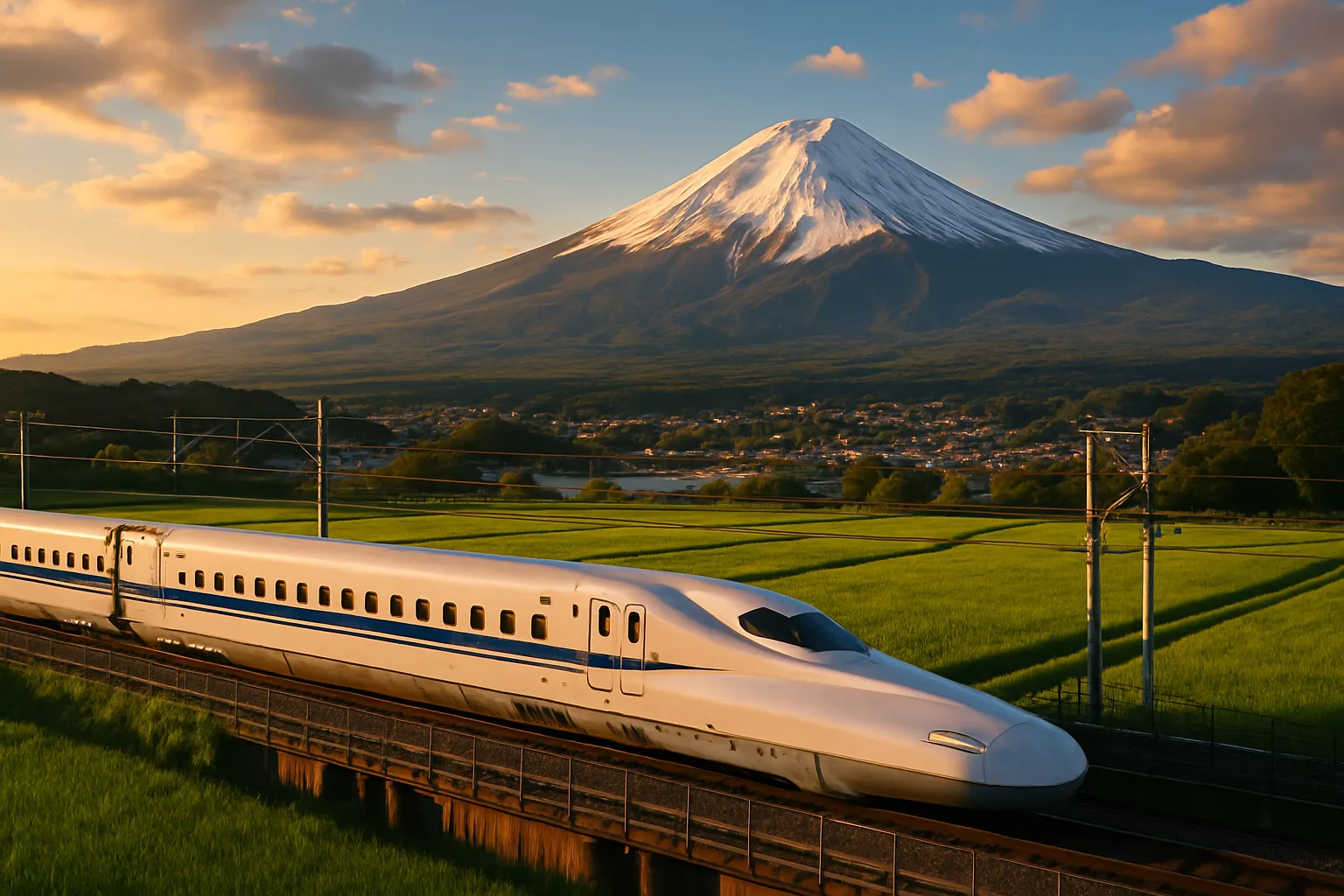
⚡ Start using this todayEver daydreamed of zipping across Japan at 320 km/h, Mt. Fuji flashing by your window, while your friends are stuck in traffic back home? If so, you’re not alone. For savvy travelers in 2026, a Shinkansen journey is the ultimate escape from the daily grind. But those famous bullet trains can cost a fortune—unless you know a few advanced strategies. Ready to save hundreds, see more, and live out your Japanese travel fantasies? Here’s your expert-backed, practical travel guide for conquering Japan on a budget, with all the insider travel tips and up-to-date prices in €!
🌍 Why This Destination Is Trending in 2026
Japan is making noise in 2026’s travel scene—and it’s not just from the bullet trains. With the Osaka-Kansai Expo wrapping up, futuristic cities, cherry blossoms blooming as far north as Hokkaido, and a culinary renaissance, the best places to visit in Japan are more accessible and exciting than ever. Travellers seek a fusion of tradition and innovation, making Shinkansen-centric trips a top trend for anyone craving adventure, efficiency, and jaw-dropping scenery. Tourists and locals alike agree: the freedom to explore from Tokyo to Fukuoka in hours is unmatched. It’s cheap travel, elevated.
✈️ How to Get There (Flights & Costs)
Flights to Japan are more affordable and flexible than ever. In 2026, budget carriers like ZIPAIR and legacy airlines including ANA and JAL offer direct flights from European hubs:
- Paris CDG to Tokyo Narita: from €490 (roundtrip, off-peak)
- London Heathrow to Osaka Kansai: from €540 (roundtrip, economy)
- Frankfurt to Tokyo Haneda: from €570 (direct, mid-week deals)
Book 3-5 months out for the best deals, traveling mid-week. Use Japanese meta-search sites (like Skyscanner Japan) to spot flash sales unavailable on EU versions.
Many people are already using tools like this.
⚡ Start using this today🏨 Where to Stay (Budget vs Luxury)
- Budget: Nine Hours Capsule (Tokyo, Kyoto, Osaka) – from €32/night for sci-fi pods, perfect for solo travelers & quick overnights.
- Mid-range: Hotel Mystays Premier (Tokyo Shinjuku) – stylish double rooms from €92/night. Excellent location near food alleys and Shinkansen lines.
- Luxury: Aman Tokyo or The Ritz-Carlton Kyoto – from €560/night with jaw-dropping city views, luxury onsen, and bullet-train proximity for seamless sightseeing.
📍 Best Things to Do
-
Top attractions:
- Tokyo: Meiji Shrine, Shibuya Crossing, Imperial Palace
- Kyoto: Fushimi Inari, Arashiyama Bamboo Grove
- Osaka: Dotonbori, Osaka Castle, Universal Studios Japan
- Hiroshima: Peace Memorial Park, Miyajima Island
-
Hidden gems:
- Kurashiki’s Edo-era streets (Okayama, €0, local walk)
- Himi Seafood Market (Toyama, get there via Hokuriku Shinkansen, €5-8 for fresh sushi plates)
- Obuse Town (Nagano, chestnut sweets and sake, €2-5/treat)
-
Local experiences:
- Onsen hopping in Beppu (Kyushu, accessible via Shinkansen + local train, €12-20/onsen)
- Night food market in Fukuoka (yatai stalls, €6-10 per dish)
- Tea ceremony with a Kyoto local (book via Airbnb Experiences, €18-25/person)
💸 How to Save Money Traveling Here
Here’s where expert strategy changes the game and saves you hundreds:
-
1. Ditch the Classic Japan Rail Pass (JRP) in 2026:
Since October 2023, the JRP skyrocketed to €325 (7 days) – not always a savvy deal!
Insider alternative:
Instead, combine regional passes (like the JR East Tohoku Area Pass, €125/5 days) with discounted single tickets (purchase 21+ days ahead for 30% off). Example: Tokyo–Kyoto Saver Fare €52 (vs €90 normal). - 2. Use “Platt Kodama” and Shinkansen sale sites: For Osaka–Tokyo, Platt Kodama tickets (online or at JR offices) go for just €37—includes a free soft drink!
- 3. Book Shinkansen “Puratto” fares or e-vouchers: Via JR Tokai Tours, you’ll save 20-40% on Tokaido line fares, especially for early birds.
- 4. Leverage Suica/Pasmo IC Cards: Load local rail/metro money and skip ticket machines. IC cards often include micro-discounts & unlock local-only bonus offers (like free museum entries).
- Extra pro tip: Many cities now offer combo sightseeing + transport passes. Example: Osaka Amazing Pass – full metro, top attractions, €19/day.
📅 Perfect Itinerary
7-Day Shinkansen Adventure:
- Day 1: Arrive Tokyo, explore Asakusa & Shibuya
- Day 2: Day trip to Nikko (Tobu line, temple hopping)
- Day 3: Shinkansen to Kyoto, Fushimi Inari & Gion evening stroll
- Day 4: Arashiyama bamboo & Kurama onsen
- Day 5: Shinkansen to Hiroshima, Peace Park, Miyajima Island
- Day 6: Osaka food crawl & Dotonbori nightlife
- Day 7: Bullet train to Tokyo, shop at Ginza, return flight home
Total estimated transport cost (with advanced booking & regional passes): ~€240 vs. €400+ without savvy hacks.
⚠️ Mistakes to Avoid
- Only buying the JR Pass without comparing single/regionals—potentially overpaying by €150+.
- Not reserving Shinkansen seats during peak travel (Hanami, Golden Week)—risk of sold-out fast trains.
- Staying exclusively in Tokyo/Kyoto—missing out on local gems, rural onsens, and amazing coastal vistas.
- Ignoring city-focused day passes; in places like Osaka and Nagoya, these save €10-20/day.
🔥 Travel Tips Only Locals Know
- Late-night Shinkansen often have more unreserved seats—and local specialty ekiben (bento), like Sendai’s beef tongue or Nagoya’s miso katsu, on sale for €5-7 at station kiosks.
- Get off at small stations (e.g., Shizuoka or Himeji) for free castle views and regional sake tastings included with some IC cards.
- Ask for the “Mizuho” class on Kyushu Shinkansen—same price, but arrives faster than other classes.
- Join JR’s seasonal promotional lotteries online—many include free upgrade coupons or regional rail credits, announced every spring and autumn.
❓ FAQ
- Is the Japan Rail Pass still worth it in 2026? For most itineraries, combo regional/saver fares are cheaper. Calculate your routes with tools like Hyperdia or Navitime in advance.
- Should I buy tickets in Japan or online? Buy online and early for the best prices. Apps like EkiNet now allow booking up to 1 month out, often in English.
- Are there luggage limits on Shinkansen? Yes—large suitcases require an advance seat reservation. Alternatively, use Yamato’s luggage forwarding (Takuhaibin, ~€15/bag, next-day door-to-door service).
- Best travel times for fewer crowds? Mid-May (after Golden Week), mid-October, and late November for incredible autumn colors and fewer tourists.
Conclusion
With these expert travel tips and tricks, the legendary Shinkansen transforms from a pricey novelty to the cheapest (and coolest) way to see all the best places to visit in Japan. Whether you dream of sushi breakfasts in Tokyo or golden sunsets in Hiroshima, these actionable hacks help you build your perfect itinerary, save money, and make every moment count. Ready to break free from routine? Book now, travel smarter, and experience Japan’s magic at lightning speed. Your journey starts today—why wait?