
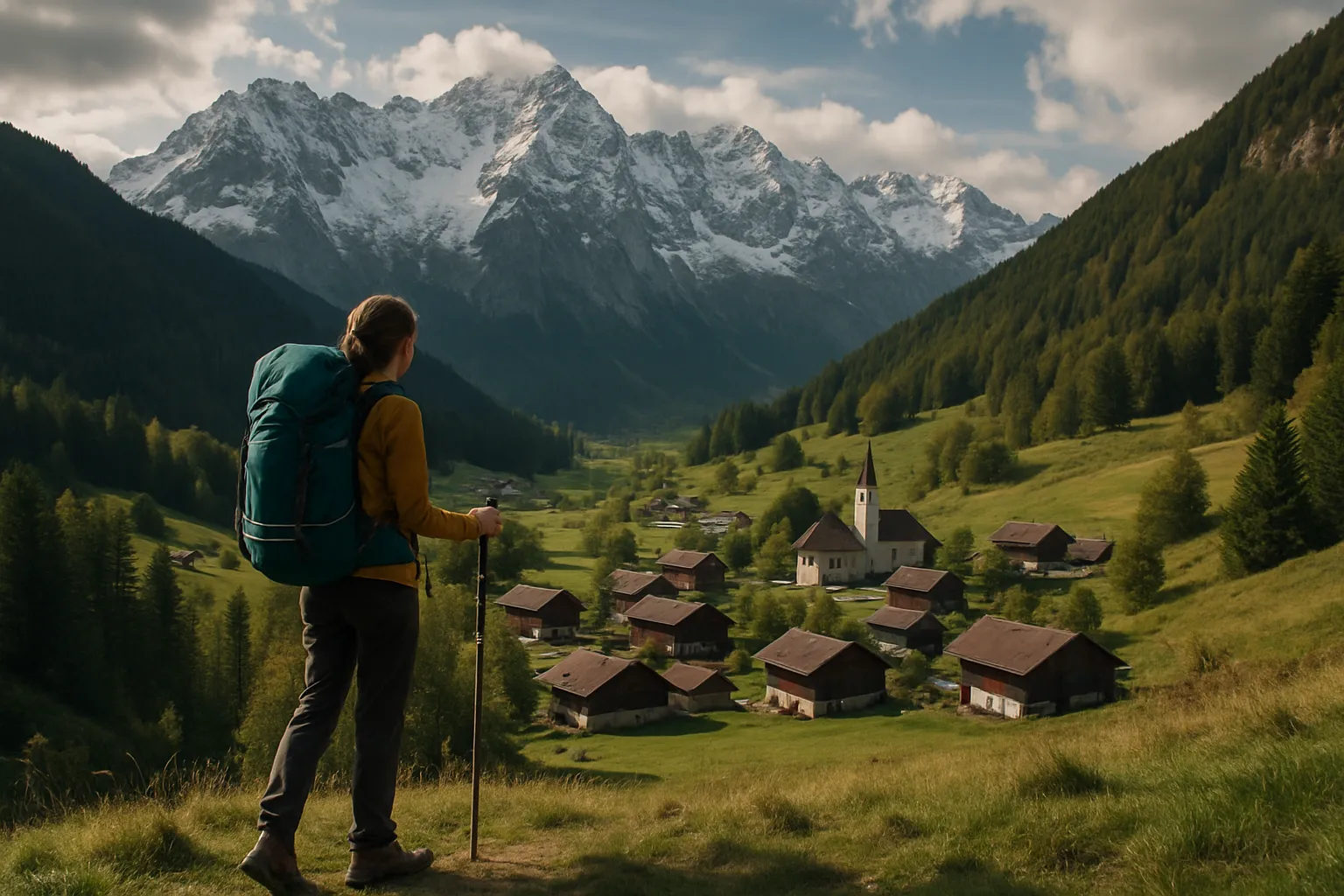
Illustration related to Are the Alps Only for Skiers? Here’s What I Discovered
Are the Alps Only for Skiers? Here’s What I Discovered — Planning a trip to Alps in 2026? This guide covers the best things to do, where to stay, travel tips, and everything you need for an unforgettable experience.
Why Visit Alps in 2026
When you hear “Alps,” you might picture perfect pistes or crowds on ski holidays. I thought the same—until I spent a spring and summer weaving through the lesser-known corners of the Alps, discovering a world that goes way beyond snow sports. In 2026, the Alps promise not only epic beauty, but also an explosion of local culture, digital nomad-friendly spaces, and unexpected adventures, especially if you’re looking to avoid the obvious destinations. From tucked-away cheese farms in Austria to quiet lakeside villages in Switzerland, the Alps are an untapped region for travelers who crave authenticity. Travel trends in 2026 show a clear shift: small villages and nature-rich rural regions in the Alps are capturing more attention, largely due to the post-pandemic search for open spaces. Digital nomads are moving in for affordable stays, fast WiFi, and coworking experiences you won’t get in big cities. The Alps now offer apps like “AlpenTaxi” for rural transport, as well as AI-powered travel planners for customized hiking paths. Seasonal differences are dramatic—barefoot walks through mountain meadows in June feel a world away from the festive valleys in December. Don’t just take my word for it. I met tech freelancers working from chalets in Les Diablerets, and foodies on culinary quests in the Lech Valley. Exploring these trends will show you why the Alps in 2026 are about more than snow—they’re about discovery, connection, and slowing down.- Experience Alpine meadows and wildflower hikes in summer
- Meet locals at weekly markets in smaller towns
- Take day trips to remote, mountain hamlets only known by word-of-mouth
- Enjoy growing “workation” culture in scenic Alpine villages
- Utilize AI travel apps for smarter, crowd-free exploring
Best Things To Do in Alps
If you’re building a bucket list for the best things to do in the Alps in 2026, think beyond the chairlifts. What truly stayed with me weren’t the ski runs, but the lesser-traveled experiences that give you a sense of place. Hiking the Lessinia plateau—just 1.5 hours by regional bus from Verona—reveals ancient shepherd trails and fossil-strewn ridges, with breathtaking views and almost no tourists in sight. Or wander the Val d’Anniviers in Switzerland, where each hamlet—like Chandolin—shows off wooden chalets and lively local festivals. In Chamonix’s outskirts, the district of Les Praz is perfect for digital nomads thanks to its small coworking cafés (like Le Vert Lounge, where a cappuccino costs €4.40). Over in Austria, visit rustic cheese dairies in Sankt Anton am Arlberg for a taste of authentic Alp cheese—served with crusty bread for under €6, usually enjoyed in company of chatty farmers. Summer brings countless cycling routes around Reith im Alpbachtal, a Tyrolean village famous for timber facades, local bakeries, and relaxing riverside walks. Nearby, you can swim in clear lakes like the Krummsee for free.- Walk Lessinia plateau (bus from Verona; stunning geology, peace and quiet)
- Cycle the riverside trails in Reith im Alpbachtal (scenic, little-known, perfect for families)
- Eat Kärntner Kasnudeln (cheese dumplings) in Carinthian villages for €8-€10
- Mix adventure and remote work at Le Vert Lounge in Les Praz, Chamonix
- Join Val d’Anniviers’s village celebrations, especially in August
Where To Stay in Alps
Choosing where to stay in the Alps will shape your whole experience. For slow tourism, skip resorts and try family-run guesthouses in smaller villages. In Müstair, a Swiss village near the Italian border, Gasthaus Hirschen offers rooms from CHF 85 per night—breakfast with fresh local yogurt and jams included. It’s walking distance to ancient Romanesque churches and lively local markets. In Les Diablerets (Vaud Alps), BnB Chalet des Fleurs is a favorite among remote workers, boasting fast WiFi, shared kitchen, and helpful owners who organize wild herb walks (rooms from CHF 65). In Sankt Anton am Arlberg, look for locally run pensions like Pension Hazienda. Expect personal touches, hearty breakfasts, and tips on unmarked hiking trails. Most villages in the Alps use “Postbus” and “SBB” apps to check bus/train schedules—Google Maps sometimes falls short here. Try to stay near main squares (e.g., Rue Centrale in Les Diablerets) or by the village bakery for true immersion.- Book Gasthaus Hirschen (Müstair) for tranquility and access to hiking
- Stay at BnB Chalet des Fleurs for digital nomad-friendly amenities
- Experience Pension Hazienda (Sankt Anton) for real Alpine hospitality
- Use “AlpenTaxi” or “Postbus” apps for rural transfers
- Opt for neighborhoods like Les Praz in Chamonix, away from crowded centers
Hidden Gems in Alps
Some of my most memorable days in the Alps took shape in places I almost skipped. The village of Splügen in Switzerland’s Rheinwald Valley is pure time travel—tiny, car-free streets, wooden stübli, and friendly farmers who’ll show you how to make Alpine butter. Or head to Malga Vallesinella, a high meadow above Madonna di Campiglio, where you can try mountain honey and cheese straight from the source (accessible by local shuttle bus for €3 return). In Austria, Galtür remains overshadowed by its glitzy neighbor Ischgl. Here you’ll find the Alpinarium museum (entry €10), pristine hiking, and local fish dishes at Café Zontaja. In the French Alps, explore Sixt-Fer-à-Cheval—a horseshoe-shaped valley where you can picnic along waterfalls and chat with mushroom foragers.- Splügen: ancient village charm and farm-to-table workshops
- Malga Vallesinella: wildflower meadows, bee tours, locally made honey
- Galtür: unique museums, far less crowded, great eateries
- Sixt-Fer-à-Cheval: waterfall hikes, rare wildflower sightings
- Local mountain markets: freshest cheeses for €5-€8 per kilo
Travel Tips for Alps
Real-world experience in the Alps means knowing local etiquette and seasonal quirks. Villages usually go quiet after 8pm—plan dinners early, and expect bars to close by 10. Unlike many tourist traps, the Alps have a low risk of scams, but always check the meter in taxis—especially in busier towns like Chamonix or Innsbruck. In smaller villages, cash remains king, even in 2026, although “Twint” (Swiss) and “Bluecode” (Austria) are gaining traction. Try local dishes like raclette outside typical tourist hours, ideally at midday. Public transport, such as the “SBB Mobile” (Switzerland) or “ÖBB Scotty” (Austria), offers day tickets from €18-€35. For safety, mountain trails can be slippery in late spring—invest in quality hiking boots. If you’re working remotely, many Alpine cafés provide free, high-speed WiFi, but power plugs can be scarce, so bring a backup battery.- Eat dinner before 8pm—village life moves fast!
- Carry cash for market stalls and small restaurants
- Always double-check the taxi meter for fair pricing
- Use “Twint”, “Bluecode”, or contactless cards where possible
- Download “SBB Mobile” and “ÖBB Scotty” for seamless travel
Costs in Alps (2026)
Budgeting for the Alps in 2026 means navigating regional price differences and recent inflation. On average, you’ll pay €2.80 for a local coffee in Austrian villages and CHF 4.50 in Swiss regions. A hearty mountain meal (like Tiroler Gröstl or cheese spaetzle) comes in at €11-€17 per plate. Accommodation sees wide variation—expect a double room in a small guesthouse to start at €65 per night, while boutique stays in alpine towns run €100-€140. Local bus fares are usually €2-€6, with day passes for rural networks around €22. Hotel prices are lower in the shoulder seasons—May-June and September being most affordable for long stays. Many villages and accommodations now offer work-friendly packages, with discounts for week-plus bookings. Inflation in 2026 has increased food costs (milk and cheese are up 8% from last year), but local markets and cooperative bakeries remain less expensive than tourist grocery stores.- Coffee: €2.80 (Austria) / CHF 4.50 (Switzerland)
- Mountain meal: €11-€17
- Guesthouse (double room): €65-€100 per night
- Rural bus day pass: €22
- Local fresh produce: €5-€8 per kilo (cheese, bread)